How to Evaluate the Condition of a Used Endoscope: A Technical Checklist for Smart Buyers
admin
August 1, 2025

Buying a used endoscope can be a smart move for medical professionals looking to reduce costs without compromising quality. However, it’s essential to ensure the device is in top working condition. Whether you’re a gastroenterologist, endoscopy technician, or clinic manager, understanding how to evaluate a used endoscope will protect your investment and your patients.
In this comprehensive guide, you’ll find a step-by-step technical checklist to assess the four main aspects of an endoscope’s condition: image quality, angulation, flexibility, and signs of wear. By the end, you’ll know exactly what to look for to make a safe and informed purchase.
Let’s dive into the key inspection points that every endoscopy professional should consider before buying a used scope.
Why It Matters: The Risks of Buying a Used Endoscope Without Inspection
Purchasing pre-owned medical equipment can save your facility thousands of dollars, but it also comes with risks if not properly vetted. A faulty endoscope could lead to:
- Poor diagnostic performance
- Risk of infection due to damaged insertion tubes
- Increased repair costs
- Interrupted clinical operations
Evaluating the device carefully minimizes these risks and ensures you’re delivering the highest quality care.
Technical Checklist for Evaluating a Used Endoscope
1. Image Quality
The most important performance metric of an endoscope is its image clarity. Blurry or distorted images can lead to misdiagnosis. Here’s how to inspect:
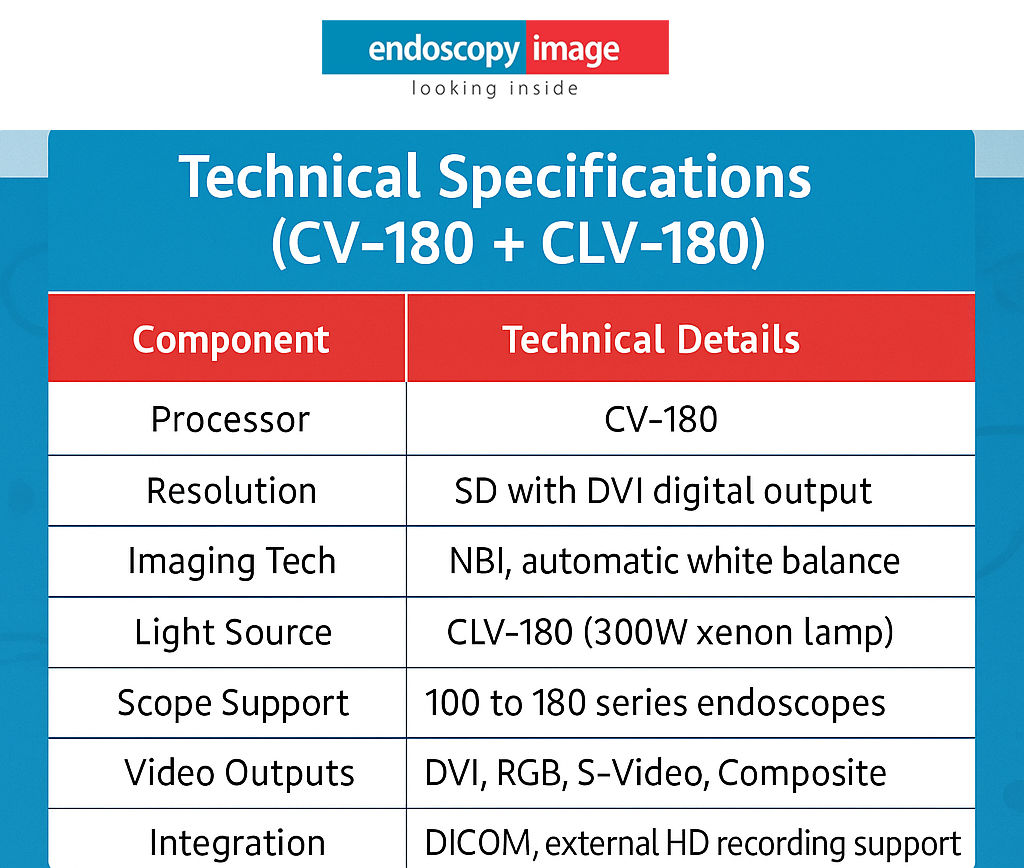
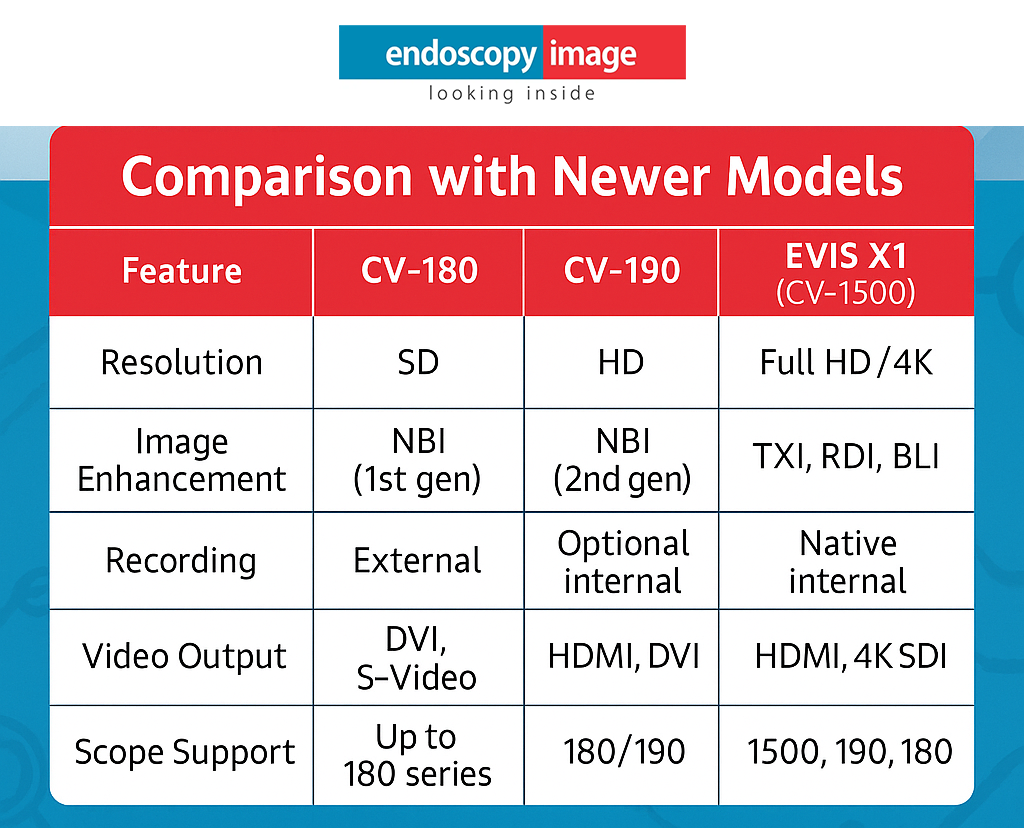
- Connect to a compatible processor (e.g., Olympus CV-190, Pentax EPK-i7000) and check for real-time video output.
- Look for any dead pixels, flickering, or color imbalance.
- Ensure even brightness and contrast across the screen.
- Pay attention to the white balance function – does it calibrate correctly?
Pro Tip: A foggy image could indicate internal lens damage or fluid invasion.
2. Angulation System
Proper tip angulation is vital for accurate navigation within the GI tract. A worn or broken system can severely limit performance.
Check the following:
- Directional movement: Confirm up/down and left/right movement of the distal tip.
- Tension and control: There should be smooth and responsive movement when turning the control knobs.
- Symmetry: Both directions in each axis should move evenly.
- Listen for grinding noises that may indicate internal damage.
3. Flexibility of Insertion Tube
The insertion tube must be pliable enough to navigate anatomy but rigid enough to maintain control.
Checklist:
- Bend the tube gently in multiple directions – check for stiff spots or weak points.
- Look for kinks, cracks, or external abrasions.
- Ensure coil memory hasn’t developed – the tube should return to a neutral position.
Warning: If the bending section feels soft or mushy, it may indicate broken internal components.
4. Exterior Wear and Tear
Even minor physical damage can compromise sterility or function.
Inspect:
- Light guide connector: Clean pins, no rust or corrosion.
- Universal cord: No fraying or melting.
- Control body: Intact buttons, no cracks or tape patches.
- Distal end: Clear lens, undamaged tip cover.
5. Leak Testing
Water-tight integrity is critical to prevent fluid invasion.
Steps:
- Perform both dry and wet leak tests.
- Watch for bubbles or loss of pressure.
- Any failure here should be considered a deal-breaker unless you plan for repairs.
Additional Tips Before Finalizing a Purchase
Ask for a Service History
If buying from a third party, ask for the:
- Last maintenance report
- Previous repairs or part replacements
- Internal leak test results
Consider Refurbished Over “Used-As-Is”
Refurbished scopes are professionally restored and usually come with:
- Warranty periods
- Certified quality checks
- New insertion tubes or optical components
Work with Trusted Dealers
Reputable medical equipment resellers should:
- Offer transparent return policies
- Allow in-person inspections or virtual demos
Provide compatibility guidance with your existing processors
FAQ: Common Questions About Used Endoscopes
➡️ Yes, when properly refurbished and tested, used endoscopes can be safe and reliable. It’s essential to buy from certified resellers who follow strict cleaning, disinfection, and testing protocols.
➡️ You should inspect image quality, angulation functionality, insertion tube wear, light transmission, and leak integrity. Request a service history and functional test report if possible.
➡️ A used endoscope can last several years, depending on its usage history, model, and maintenance. High-quality models like Olympus or Pentax, if well maintained, can offer great longevity.
➡️ Pre-owned means the scope is sold as-is, with no major repairs. Refurbished indicates the unit has been restored to manufacturer standards with replaced parts and full testing.
➡️ Yes, but only by trained technicians or authorized service providers. Using unofficial services may void warranties or compromise safety.
Final Thoughts about used endoscope
Evaluating a used endoscope doesn’t require an engineering degree—just a systematic approach and attention to detail. Following the checklist above ensures you’re purchasing a safe, high-quality device that meets clinical standards.
Investing a little time before the purchase can save you a lot of money and hassle later.
Topics that might interest you:
Blog & Articles
CapsoCam Plus AI Highlights FDA Clearance: What It Means
Our colonoscope buying guide breaks down working channel, diameter, and field of view..
Mejores bombas de irrigación para endoscopia
Compare las mejores bombas de irrigación para endoscopia según compatibilidad, control de flujo,..

Oftalmología digital para decisiones clínicas precisas
La oftalmología digital mejora la captura, el análisis y la gestión de imágenes..
Cómo probar cámara quirúrgica antes de comprar
Aprenda cómo probar cámara quirúrgica: verifique imagen, compatibilidad, seguridad eléctrica y trazabilidad antes..